
Trade Show Booth Sizes From Tabletop to 10×20

Trade Show Booth Sizes From Tabletop to 10x20

Booth size is the first major decision in your trade show plan. The right footprint depends on your show, your goals, your team size, and how visitors will move through your space. We build at every common booth size, from tabletop displays up through 10x20 inline and corner builds.

This page breaks down each booth size we build, what each one is best for, and how to choose between them. Browse our full lineup of trade show displays to see how different sizes pair with custom, modular, and rental options.
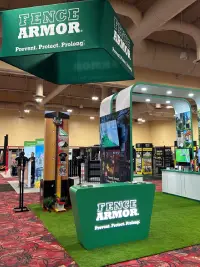
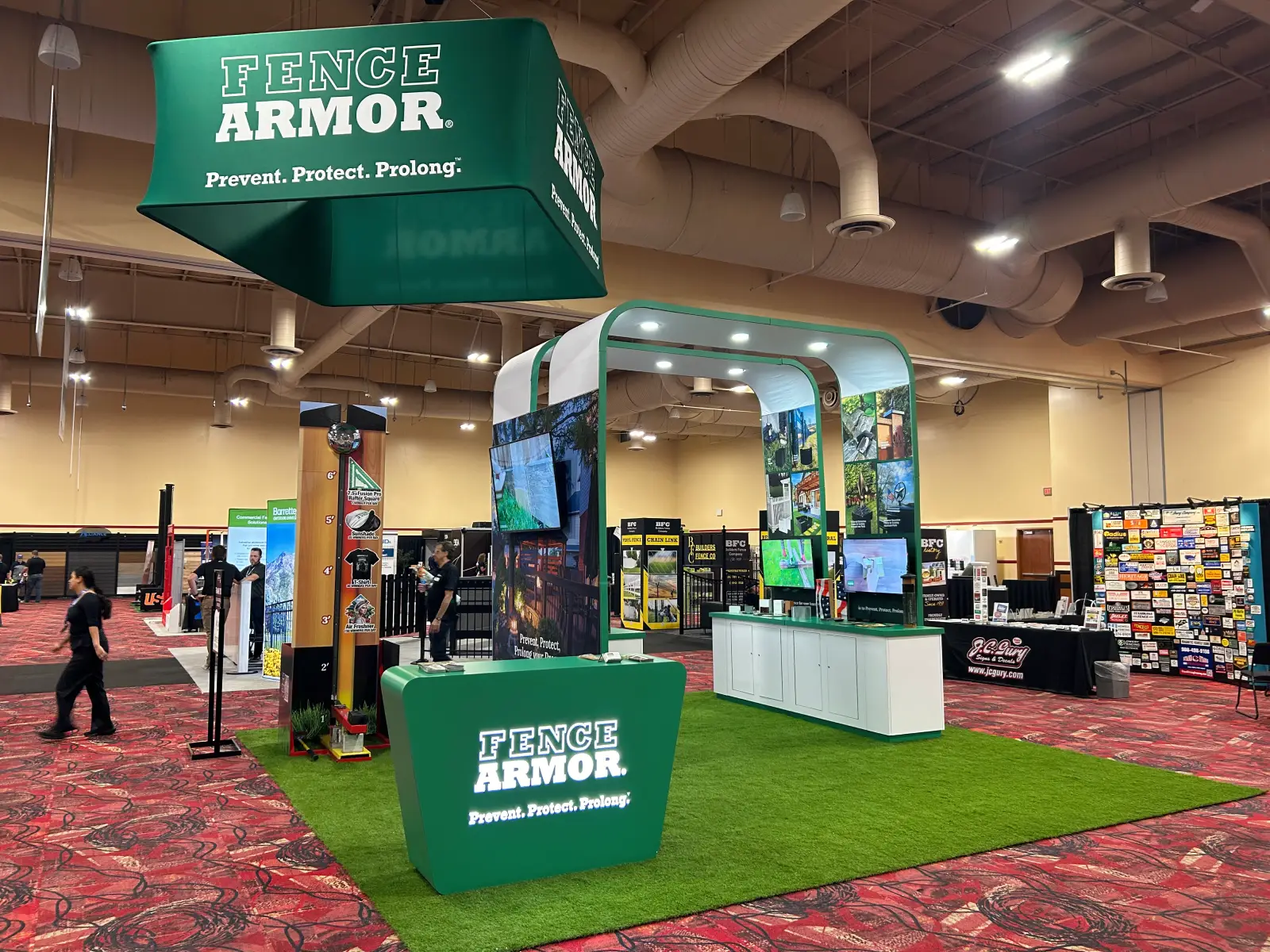
Trade show booths in various sizes built by Storm Displays Booth footprint detail view

Booth Footprints at a Glance

Here is how the four most common trade show booth sizes compare on actual scale. Use this to get a feel for the relative footprint before you dig into the details for each size.

TT 6×2 ft POP-UP 10×10 ft 10×10 100 sq ft 10×20 200 sq ft SHOW FLOOR AISLE 10 FT
SIZE 01
Tabletop
Sits on table
SIZE 02
Pop-Up
10x10 portable
SIZE 03
10x10 Booth
100 sq ft
SIZE 04
10x20 Booth
200 sq ft

Every Booth Size We Build

Each booth size serves a different stage of trade show strategy. Tabletop and pop-up work for entry-level and traveling teams. 10x10 and 10x20 are the standard inline footprints where most serious exhibitors land.

TABLETOP 6 FT TABLE

Tabletop Displays

Size 01

Sits on a 6 to 8 foot conference table at the show. Folds flat into a compact carrying case for travel. Branded backdrop, optional side wings, lightweight aluminum frame, full-color SEG fabric graphics.

Best Fit

Small events, career fairs, conference exhibitor lounges, and brands that need a professional booth that ships as luggage.

Tabletop displays
POP-UP 8-10 FT BACKWALL

Pop-Up Displays

Size 02

Curved or straight backdrop frames that snap up in 10 to 15 minutes. Pack into 1 to 2 wheeled cases. Ideal for 10x10 booths needing a strong portable presence without a full build.

Best Fit

Traveling sales teams, first-time exhibitors, brands needing fast setup, and shows with tight install windows.

Pop-up displays
10×10 10 FT AISLE

10x10 Trade Show Booths

Size 03

The standard inline booth footprint. 100 square feet of branded space with backwall, counter, and room for one or two people staffing. The most common booth size at most trade shows.

Best Fit

Brands establishing trade show presence, first inline booth purchase, or steady annual show calendar at standard inline rates.

10x10 trade show booths
10×20 20 FT AISLE

10x20 Trade Show Booths

Size 04

Double the footprint of a 10x10. 200 square feet of branded space with room for product displays, demo zones, meeting areas, and a larger team on the floor at the same time.

Best Fit

Growing brands upgrading from 10x10, companies running product demos, or teams needing room for visitor conversations and storage.

10x20 trade show booths

How to Choose the Right Size

A few honest questions get you to the right footprint faster than a generic recommendation. Run through these before you commit to a size.

How many shows per year?
1-2 shows or testing the channel Start with tabletop or pop-up. Low commitment, easy to travel, professional enough to validate whether trade shows work for your brand before scaling up.
Do you need product demos?
Hands-on demos or product samples 10x20 gives you space for a demo zone plus normal traffic flow. A 10x10 forces you to choose between demo space and visitor conversations.
Team size on the floor?
3 or more people staffing Move up to 10x20. A 10x10 fits two people comfortably. More than that and the booth feels crowded to visitors walking by.
Booth budget vs show calendar?
Higher budget, fewer shows Invest in a custom 10x10 or 10x20 you reuse across the year. Lower budget, more shows works better with a modular pop-up or tabletop that travels easily.
How does the booth ship?
Carry-on or check-as-luggage Tabletop or pop-up only. Ground freight to the show opens up 10x10 and 10x20 builds with full hardware and shipping cases.

Not Sure Which Size Fits?

Tell us about your show, your team, and what you need to do on the floor. We will recommend the right footprint based on what you actually need, not what costs the most.

Get Answers for FAQs

What is the most common trade show booth size?
The 10x10 inline booth is the most common trade show booth size and the standard footprint at the majority of trade shows. It gives you 100 square feet of branded space with room for a backwall, a counter, and one to two people staffing. Most shows price 10x10 inline booths as the baseline rate and offer multiples like 10x20 and 20x20 at scaled pricing.
Can I upgrade my booth size for a future show?
Yes. Modular booth systems are engineered to scale across sizes. You can start with a 10x10 kit and add components later to build out to a 10x20 or 20x20 footprint without buying a new booth. We will help you map out a starter kit that fits your current shows and leaves room for expansion as your trade show strategy grows.
What is the difference between inline and island booths?
An inline booth sits in a row with neighbors on both sides and typically has one open side facing the aisle. An island booth has open access on all four sides, which gives you 360-degree visibility and design flexibility. Inline is the most common configuration for 10x10 and 10x20 footprints. Island configurations usually require a 20x20 or larger footprint and may cost more in show floor pricing.
How tall can my booth be?
Most shows allow inline booths to extend up to 8 feet tall, with a 4 foot sight line restriction on the back portion of the booth that borders the aisle. Island booths typically allow taller structures, often up to 12 to 20 feet including hanging signs. Every show publishes specific exhibitor height guidelines in the show packet. We design within whatever your show allows.
Can the same booth work at different sizes?
Yes, with the right system. Modular displays are designed to reconfigure across booth sizes throughout the year. The same set of components can build a 10x10 at one show, expand to a 10x20 at the next, and shrink back to a tabletop format for a smaller event. Graphics can be reprinted to refresh messaging without rebuilding the hardware.
Skip to content