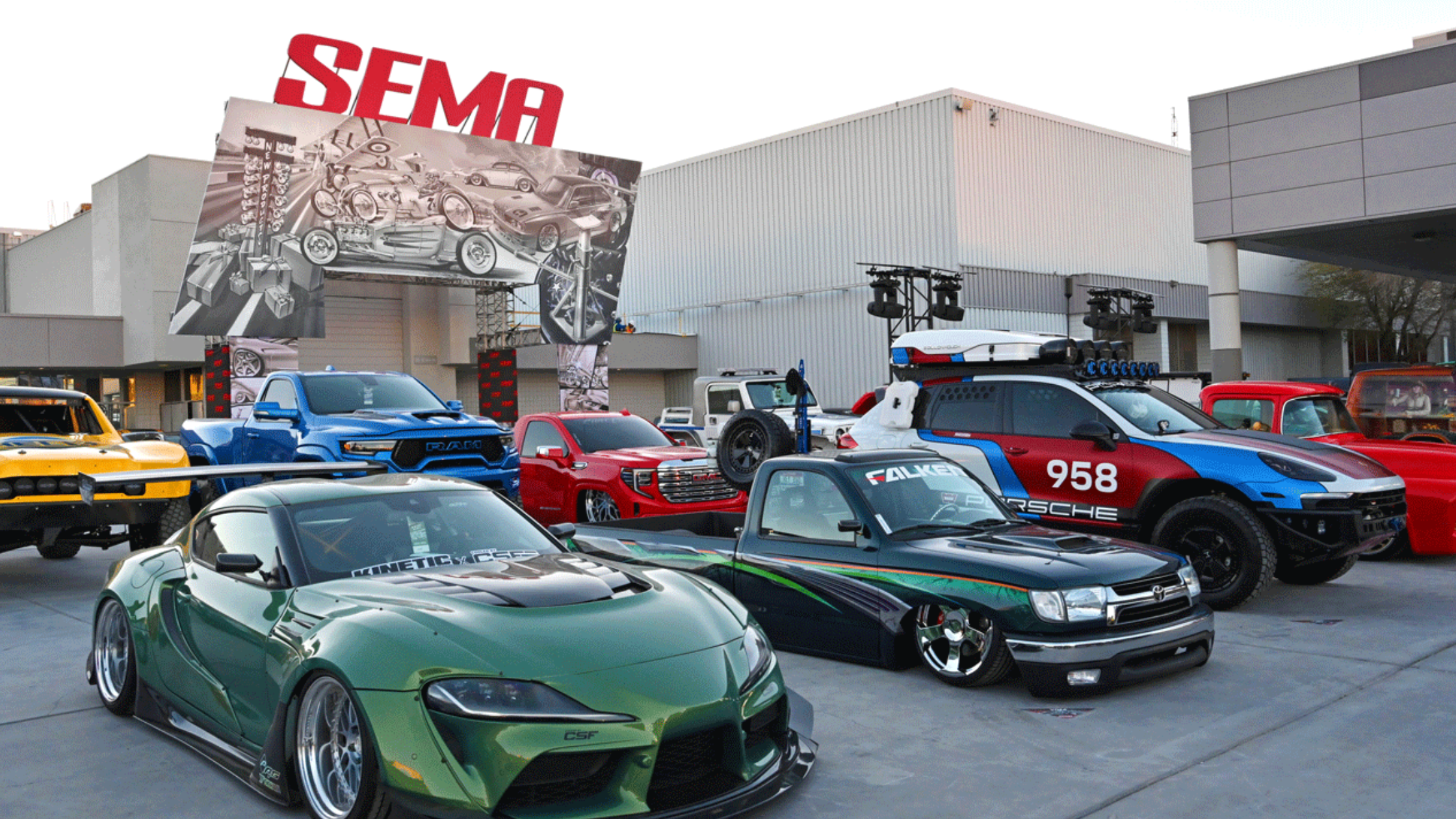
SEMA is not a subtle trade show.
It’s one of the largest and most visually competitive automotive events in the country, filled with custom vehicles, performance brands, fabrication companies, aftermarket accessories, and live demonstrations competing for attention across massive exhibit halls.
At a show like SEMA, your booth is not just a display space—it becomes part of the experience.
A successful SEMA booth design needs to support large products, create visibility from a distance, and handle the operational demands that come with automotive exhibits. Whether you’re showcasing a full vehicle build, aftermarket components, or live product demonstrations, preparation is critical.
At Storm Displays, we design Las Vegas custom trade show booths built specifically for high-performance environments like SEMA, where structure, traffic flow, and visual impact all matter.
Why SEMA Booth Planning Starts Earlier Than Most Shows
Unlike smaller trade shows, SEMA involves larger exhibits, heavier products, and more complex logistics.
Exhibitors often need to coordinate:
- vehicle placement
- rigging and lighting
- reinforced flooring
- electrical requirements
- demo areas
- shipping and staging schedules
Because of this complexity, booth planning should begin much earlier than standard exhibit timelines.
Waiting too long can limit:
- booth layout options
- production timelines
- lighting and rigging availability
- installation coordination
For most exhibitors, planning should begin at least six months before the event.
Choose a Booth Size That Supports Visibility
At SEMA, scale matters.
Smaller inline booths can work for accessory brands or product launches, but companies featuring vehicles or live demonstrations typically benefit from larger footprints.
Why 20×20 Booths Perform Well
A 20×20 island layout gives exhibitors:
- visibility from all four sides
- room for vehicles and displays
- space for attendee movement
- dedicated conversation and demo areas
This layout creates a stronger presence while allowing traffic to circulate naturally around the booth.
Larger island configurations can also support elevated branding, lighting structures, and multiple engagement zones without feeling overcrowded.
Design Around Vehicle Placement and Product Flow
In automotive exhibits, the featured product is often the vehicle itself.
That means the booth layout should support:
- clear sightlines to the vehicle
- room for photography and crowds
- space for attendees to walk around displays
- visibility from multiple angles
A common mistake is placing too many secondary elements around the vehicle, which can make the space feel cramped.
Instead, the vehicle should act as the visual anchor of the booth, with supporting graphics, counters, and displays positioned around it intentionally.
Reinforced Systems for Heavy Automotive Displays
Automotive exhibits place more structural demands on booths than most industries.
Many SEMA exhibitors need displays capable of supporting:
- heavy wheels and tires
- mounted automotive parts
- engines or fabrication components
- large monitors and lighting systems
Modern modular exhibit systems can be engineered with reinforced frames and weight-rated structures designed specifically for these environments.
A properly designed automotive exhibit display combines durability with a clean, professional appearance.
Create Strong Vertical Branding
SEMA halls are crowded, loud, and visually dense. Strong vertical branding helps attendees identify your booth from a distance.
Effective elements include:
- backlit towers
- overhead signage
- elevated logo placement
- large-format graphics
The goal is to create a recognizable visual landmark that stands out among surrounding exhibits.
Backlit displays are especially effective at SEMA because they maintain visibility under inconsistent hall lighting and help branding remain readable from across the aisle.
Plan Demo Areas Carefully
Live demonstrations are a major part of the SEMA experience.
Whether showcasing:
- performance products
- detailing tools
- fabrication techniques
- technology integrations
your booth needs space for attendees to gather without disrupting flow.
Strong demo layouts include:
- open standing areas
- controlled traffic paths
- reinforced counters or stages
- clear visibility to the presentation area
Planning for audience movement early helps prevent congestion during peak traffic periods.
Don’t Overload the Booth With Messaging
Automotive brands often have a lot to say—multiple products, sponsors, features, and specs.
But at SEMA, clarity performs better than overload.
A strong booth typically focuses on:
- one hero vehicle or product
- one primary message
- clear supporting visuals
- concise branding
This creates a booth that feels intentional rather than cluttered.
Storage and Workflow Matter More Than Most Exhibitors Expect
SEMA booths are active working environments.
Teams often need access to:
- tools
- cleaning supplies
- promotional materials
- spare parts
- personal storage
Integrated storage areas help keep the visible booth clean while allowing staff to operate efficiently throughout the event.
Hidden cabinets, enclosed counters, and back-wall storage are especially important for automotive exhibits where presentation quality matters.
Key Elements of an Effective SEMA Booth Design
- 20×20 or island layouts for maximum visibility
- reinforced systems for heavy displays and components
- clear vehicle-focused sightlines
- strong vertical branding and lighting
- open demo areas with organized traffic flow
- integrated storage and workflow planning
- clean, focused messaging
FAQs
What booth size works best?
20×20 and island layouts perform best because they provide visibility from multiple sides and enough space for vehicles, demos, and attendee movement.
Can rentals support heavy displays?
Yes. Reinforced modular systems can be engineered to support heavy automotive products, mounted displays, and high-traffic environments.
When should planning begin?
At least six months prior. SEMA involves larger builds, more coordination, and tighter production schedules than most trade shows.
Final Thoughts
Preparing for SEMA requires more than a visually impressive booth. It requires strategic planning, durable structures, and a layout built to handle real automotive exhibit demands.
With the right combination of reinforced systems, demo planning, and strong branding, a Las Vegas custom trade show booth can create a powerful presence that attracts attention and supports meaningful engagement throughout the event.
At Storm Displays, we design automotive exhibit displays tailored for high-performance trade shows like SEMA—helping brands build booths that are functional, scalable, and built to stand out.
📞 (951) 544-9059
✉️ justin@stormdisplays.com